Range & Oven Repair on Fox Island & in Gig Harbor

Gas cooking on the peninsula mostly means propane, and propane changes the rules: different orifices, a regulator that must be set right, a flame that tells the truth about both. Neil reads the flame before the control panel, because a yellow-tipped burner explains more failures than any error code.

HomeRepairsRange & Oven Repair
What the visit checks

Flame First, Then the Meter

Electric ovens get a probe test — a calibrated thermometer in the cavity against the control’s belief — then elements and sensor measured to spec, then the board if the numbers still disagree. Gas and LP ranges get the burner chain: igniter, valve, orifice, flame quality. Nothing is jumpered, ever; a bypassed safety is not a repair anyone should pay for.
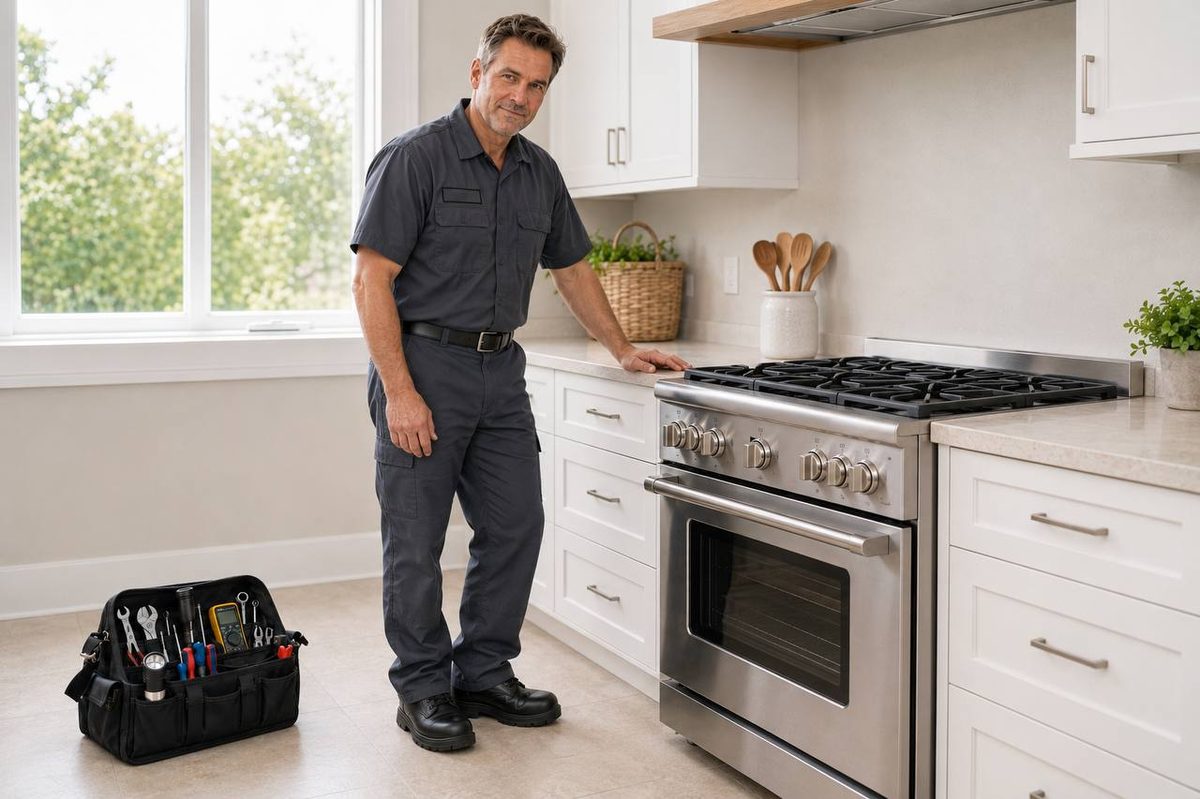
Neil beside a stainless gas range in a white kitchen
A gas range after the flame check — on the peninsula the first question is always propane or natural.

A propane range delivered set for natural gas — it happens constantly on the peninsula — runs yellow, soots pans and lights late. The conversion kit is usually still taped inside the drawer. Neil sets orifices and regulator to the tank, verifies flame color on every burner, and checks the oven igniter’s draw, since LP ovens punish a weak igniter with a delayed, puffing light.

Electric cavities running cold are sensors and elements nine times in ten; the probe test proves the gap before a part is bought, and calibration gets set against the real reading, not the dial. Smooth-top zones stuck on high are welded relays — the breaker goes off today and the repair is routine once it is.

Older cottage kitchens around the harbor still cook on original wall ovens in widths nothing modern matches. Elements, thermostats and door hardware for those classics can usually be sourced or adapted, and the visit notes say what is findable before anyone talks about a remodel.

Heard on the phone

  • Bake takes ten extra minutes at the old setting
  • Burner clicks forever or lights with a whump
  • Yellow, sooty flame on a propane range
  • One smooth-top zone stuck on high
  • Door locked since the last self-clean
  • Broiler dead while bake works

Book Range Service

Model number welcome, plain words fine. Neil calls back with a window.

No name or email needed — a phone number is enough to book.

Asked before booking

Three questions, straight answers.

Our new range came with a yellow flame. Defective?

Almost certainly set for natural gas and running on propane. A proper LP conversion — orifices and regulator — fixes it in one visit and stops the soot.

Oven runs about 25 degrees cold.

Probe-verified, then the sensor or calibration corrected against the real number. Turning the dial up is the workaround that drifts further every year.

A 1970s wall oven in a harbor cottage — worth saving?

Usually. Classic-width parts can still be found or adapted. The visit tells you what exists before you price a kitchen remodel around a replacement.

Where this repair runs

Island, harbor, and the road between.

From the truck

Reads, Not Guesses

Neil opening the pump filter door of a front-load washer
The pump filter door: first stop on most drain complaints, and often the last.
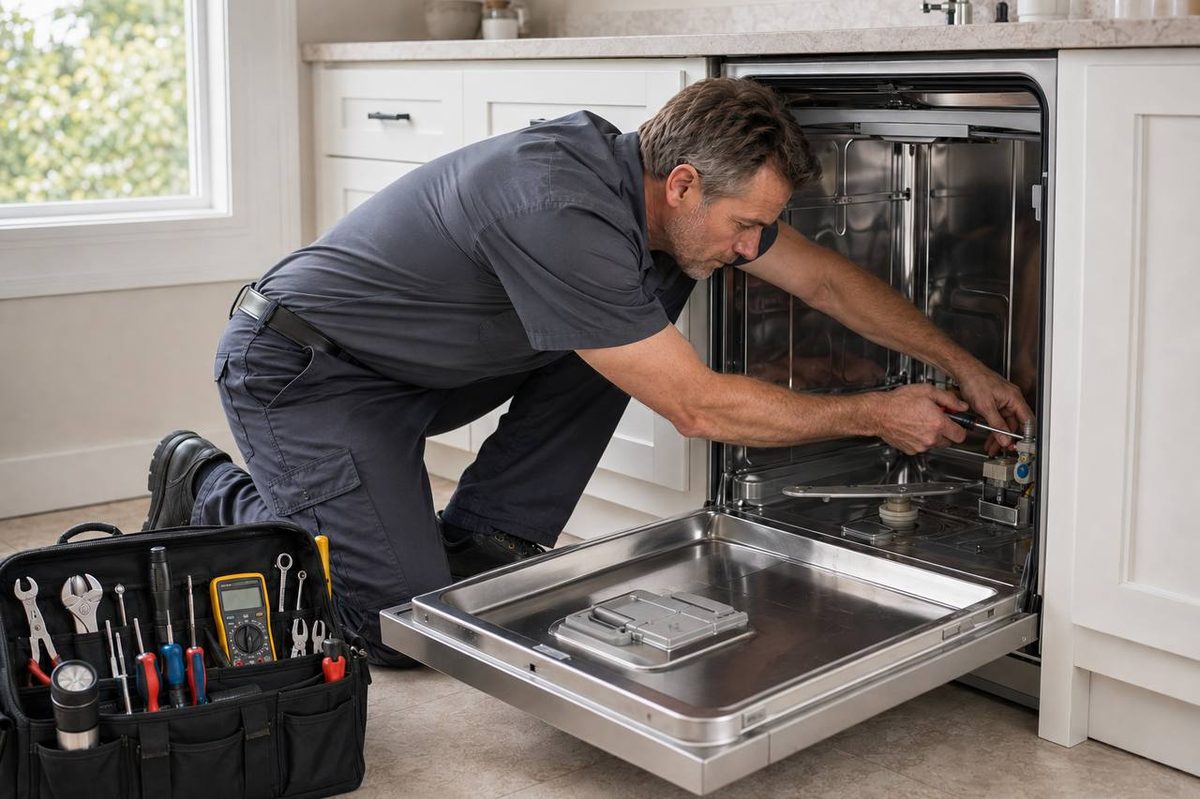
Neil reaching into an open dishwasher with the lower rack removed
Lower rack out, sump exposed — where dishwasher trouble actually lives.
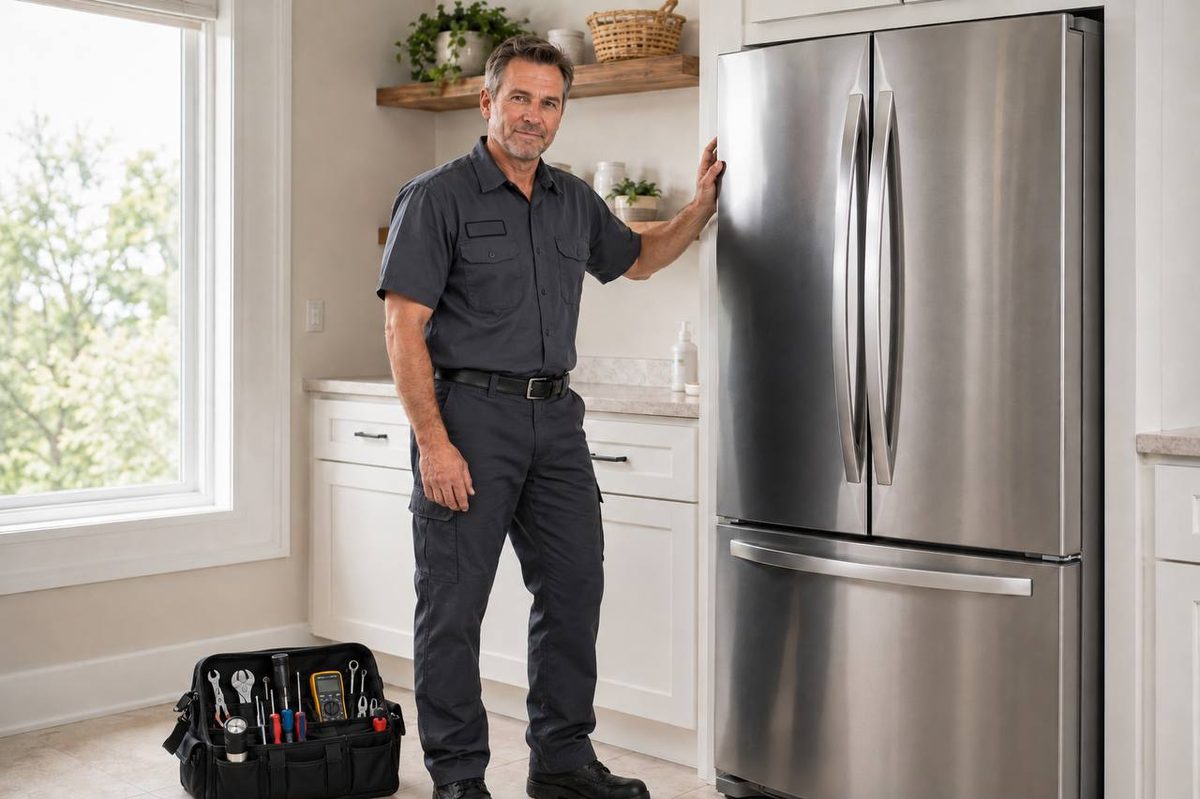
Neil standing beside a stainless French-door refrigerator, tool bag on the floor
Cold call closed — doors shut, numbers logged, kitchen left as found.
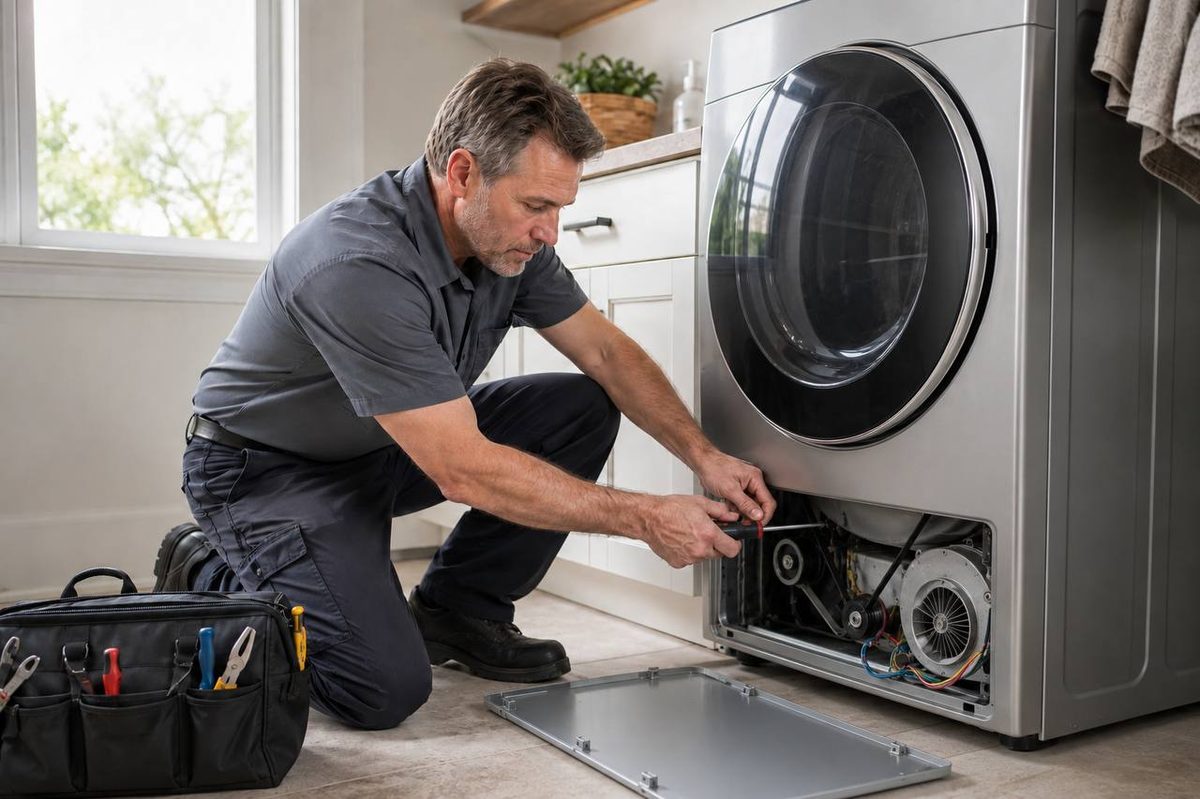
Neil kneeling at a dryer with the lower panel off, blower and belt exposed
Panel off, blower in view — a dryer read from the back before anything is decided.
Neil beside a stainless gas range in a white kitchen
A gas range after the burner check — propane or natural, the flame tells the story.